

Understanding Religious Coping Across Generations to Improve Trauma Care
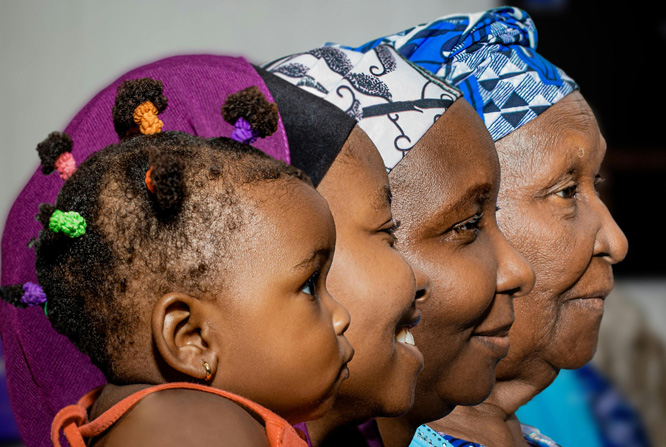
Translating generational differences in faith and coping into practical, age‑sensitive trauma support.
This national study looked at how age and religious/spiritual (RS) coping relate to mental health in U.S. women, comparing those who experienced interpersonal violence (IpV) with those who did not (N = 1,165). It found that younger women report higher depression, anxiety, and stress and use more negative religious coping, and that RS coping patterns differ by generation — showing the value of routine RS assessment and age‑tailored, faith‑integrated approaches in trauma care and training (Stiers et al., 2024).
Key Discoveries & Benefits:
- Younger women show higher distress and more negative religious coping, regardless of trauma exposure — so we should screen by age and prioritize early, age‑sensitive support in trauma services and training (Stiers et al., 2024).
- Religious/spiritual coping style was associated with psychological outcomes: identifying positive vs. negative coping helps guide what kind of spiritual or clinical support will help most (Stiers et al., 2024). Religious coping may help clinicians understand psychological distress and resilience following trauma exposure.
- Clients are generally open to discussing faith in care, and clinicians see benefits to integrating RS — supporting HHCI’s faith‑integrated model and the GTHU curricula that teach it (Stiers et al., 2024).
- The study used validated tools and a large sample, providing promising evidence to integrating RS and generational screening into programs and trainings already underway at HHCI and GTHU (Stiers et al., 2024).
Why This Strengthens HHCI Services and GTHU’s Training:
This research provides a robust, evidence-based foundation for HHCI services and GTHU.org’s programs. It validates the core philosophy that:
- Trauma specialty: Reinforces teaching age‑tailored engagement, RS coping assessment, and interventions to reduce negative religious coping — key skills for GTHU’s Trauma specialty and HHCI clinicians (Stiers et al., 2024).
- Peer & paraprofessional training: Makes the case for training coaches to spot RS coping patterns and generational risk so they can refer and support more effectively in faith communities (Stiers et al., 2024).
- Faith‑integrated care: Confirms that integrating spirituality is acceptable and beneficial — bolstering HHCI’s clinical approach and GTHU’s course content on ethical RS integration and clergy collaboration (Stiers et al., 2024).
- Intake & screening: Justifies adding brief RS coping and age‑focused distress screens to intake forms taught at GTHU and used at HHCI to better match care to need (Stiers et al., 2024).
Join HHCI and Gateway to Hope in translating this research into practice — help us train Mental Health Coaches to assess religious coping and generational risk so we can deliver age-informed, faith‑integrated trauma care that truly reduces distress and builds lasting resilience.
Join the Movement: Become a Catalyst for Hope!
Inspired by the proven impact of our programs? Explore our comprehensive training programs and discover how you can make a tangible difference in your community.