

Feasibility and efficacy of a peer-led group recovery program for war-related trauma in Libya*
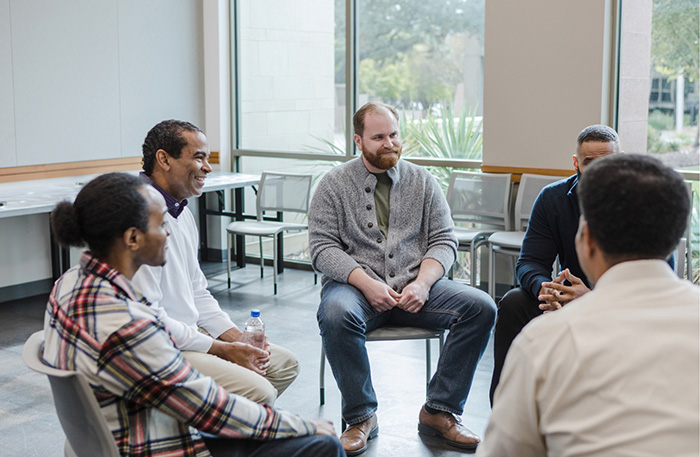
Discover the groundbreaking research validating a new path to recovery from war-related trauma.
A recent study in the South African Journal of Psychology (2014) reveals the incredible potential of peer-led recovery groups, offering hope and healing where it’s needed most. This research, which forms the basis of training at GTHU.org, demonstrates a powerful, community-driven approach to overcoming the lasting effects of trauma.
Key Discoveries & Benefits:
- Proven to Reduce PTSD Symptoms: Participants in the “Hope Group (now known as reImagine)” program experienced a significant reduction in Post Traumatic Stress Disorder (PTSD) symptoms. Before the program, 58% met PTSD criteria; after completion, none of the assessed participants did! This shows remarkable efficacy in helping individuals reclaim their lives from trauma (Stanford et al., 2013, p. 6).
- Structured for Success: The “Hope Group curriculum (reImagine)” is a 10-week, cognitive behavioral therapy-based program. It covers crucial areas like psychoeducation, building support, emotional regulation, and cognitive skills development, providing a clear roadmap to recovery (Stanford et al., 2013, pp. 4–5).
- Community-Driven Healing: The program thrives by leveraging existing community networks. Facilitators recruited participants from their friends and relatives, fostering a supportive environment where individuals can heal together (Stanford et al., 2013, pp. 6–7).
Why This Strengthens GTHU.org’s Training:
This study directly supports and enhances the training offered by GTHU.org and HHCI by showing real-world feasibility and positive outcomes from a peer-led, manualized program:
- Peer-led interventions are both feasible and effective.
The Libyan trial shows that trained peers can deliver meaningful trauma recovery, reinforcing GTHU.org’s model and HHCI’s mission to decentralize care by empowering local helpers.
- A structured, manualized curriculum produces measurable gains.
Results from the “Hope Group (reImagine)” validate the use of clear, replicable manuals — strengthening GTHU.org’s course materials and giving HHCI evidence to promote standardized, scalable training.
- Community-led approaches build sustainable systems.
Demonstrated improvements when local leaders are trained confirm that GTHU.org and HHCI’s emphasis on community engagement creates durable, culturally appropriate support networks.
- Practical evidence for advocacy and expansion.
The paper gives both GTHU.org and HHCI empirical support to attract partners, funders, and trainees by showing the intervention’s real-world impact.
Join GTHU.org and be part of a proven, impactful approach to trauma recovery!
Join the Movement: Become a Catalyst for Hope!
Inspired by the proven impact of our programs? Explore our comprehensive training programs and discover how you can make a tangible difference in your community.